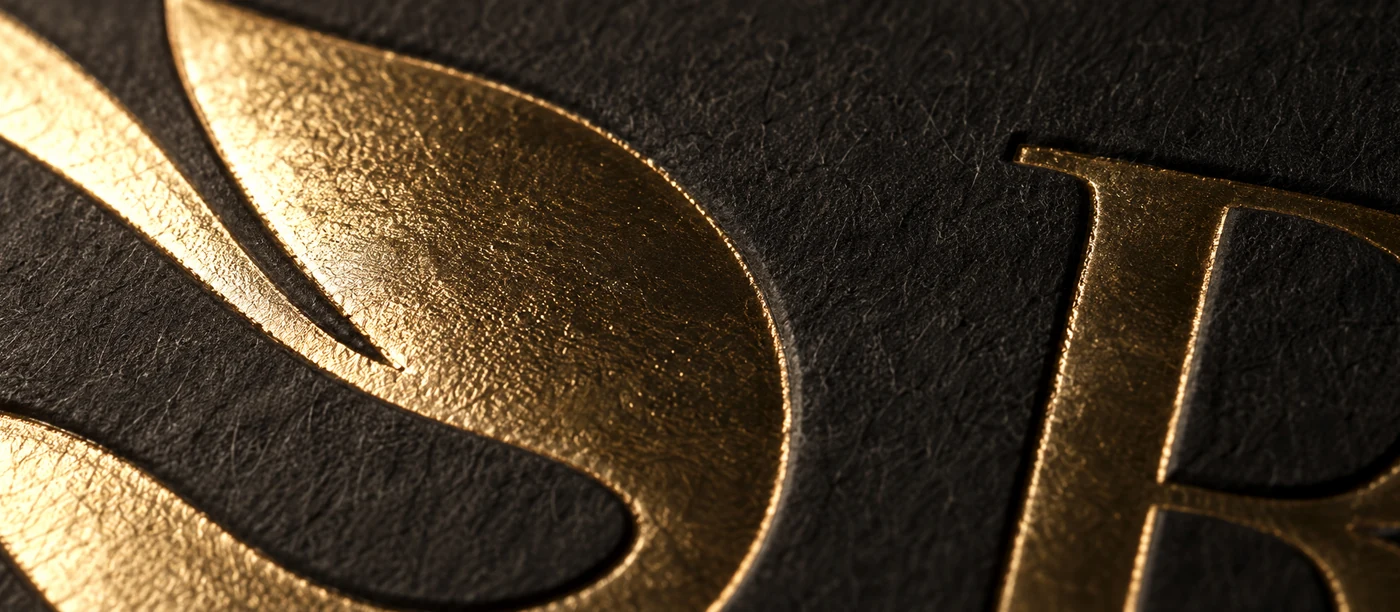
 0.15 mm
Fine lines welcome: 0.15 mm target
Fine detail survives foil: lines hold to 0.1 mm (0.28 pt). We design to 0.15 mm and adjust only lines below the floor, preserving the mark.
Foil stamping →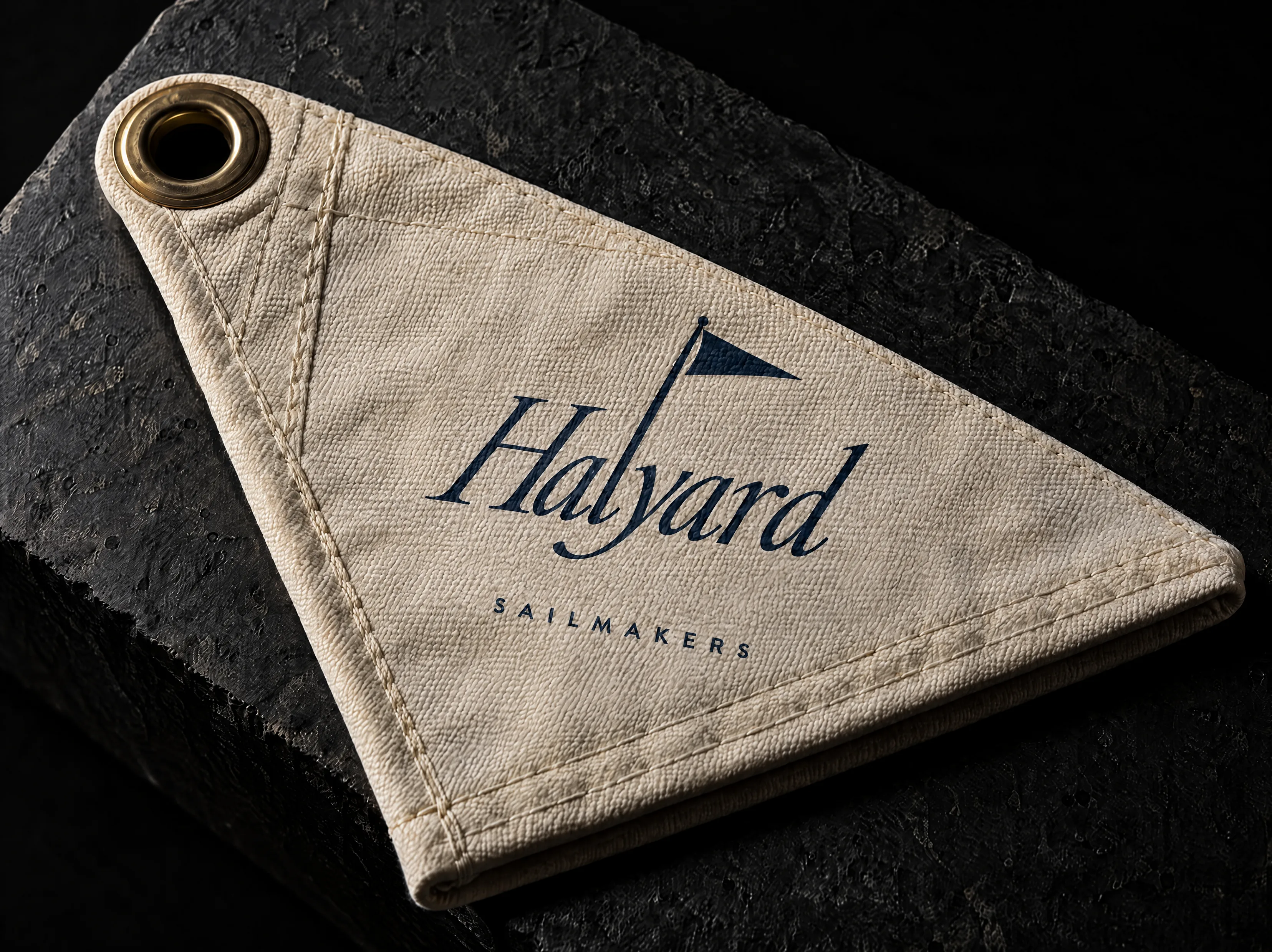
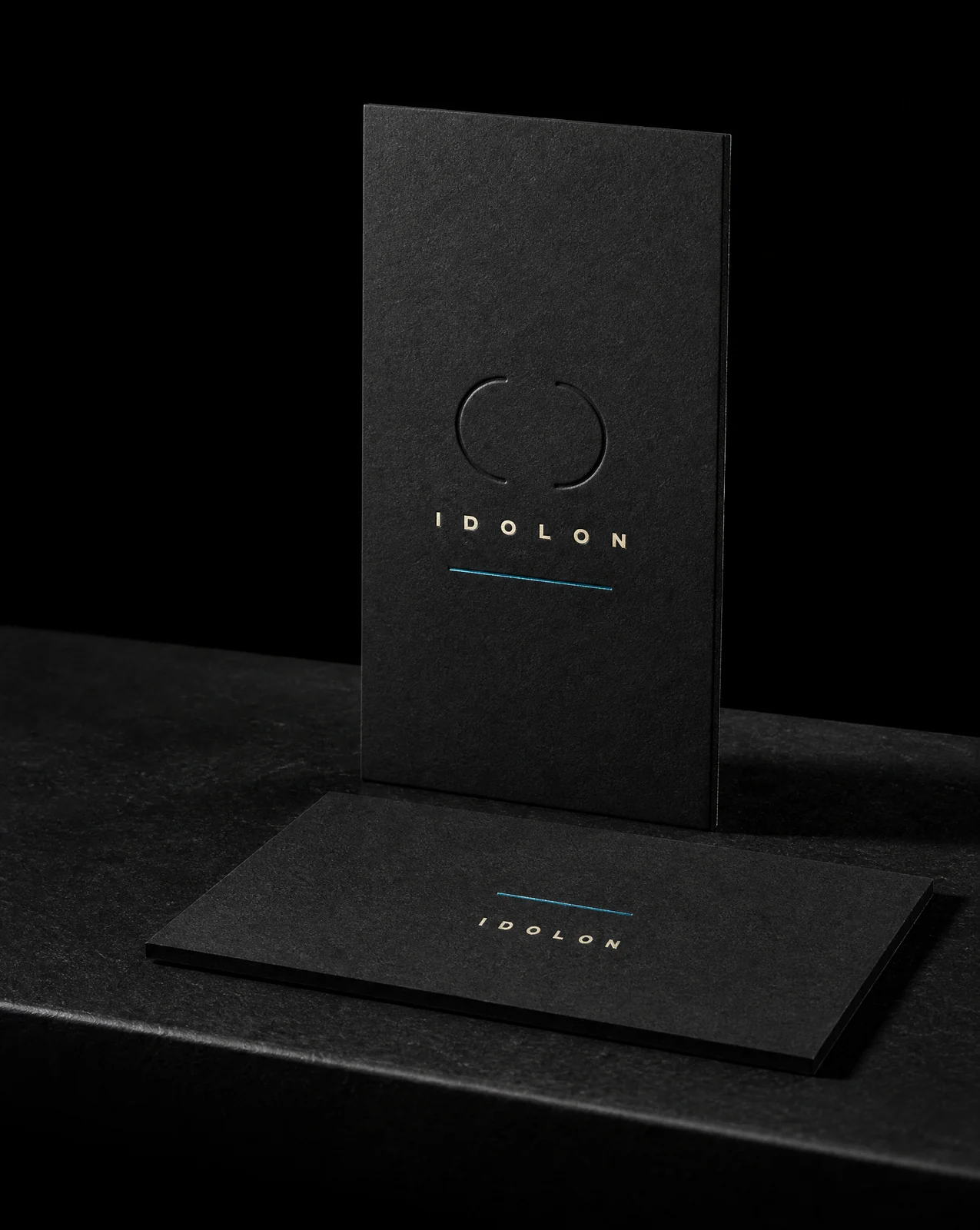
Halyard · Identity drawn for print
Design services
Most artwork we receive is a render — soft edges, hairlines that taper to nothing, colours that touch. We rebuild it so it foils, presses and embosses cleanly, or draw something from the name that was always meant to be printed.
We prepare and draw artwork for specialty print: redrawing logos so they survive foil, letterpress and emboss, reinterpreting marks that nearly work, and drawing new identities from a name.
Every project is quoted. Guide prices start at $245.
Start here
Half of every design fee is credited against your first print order over $600.
You have a logo
Your mark is already yours. We rebuild its curves, counters and separations so the actual die can hold it.
Your logo nearly works
Keep the silhouette people know; redraw the weak details as three directions you can judge on real stock.
You have a name
A mark, type and material language conceived together, from first name to finished printed piece.
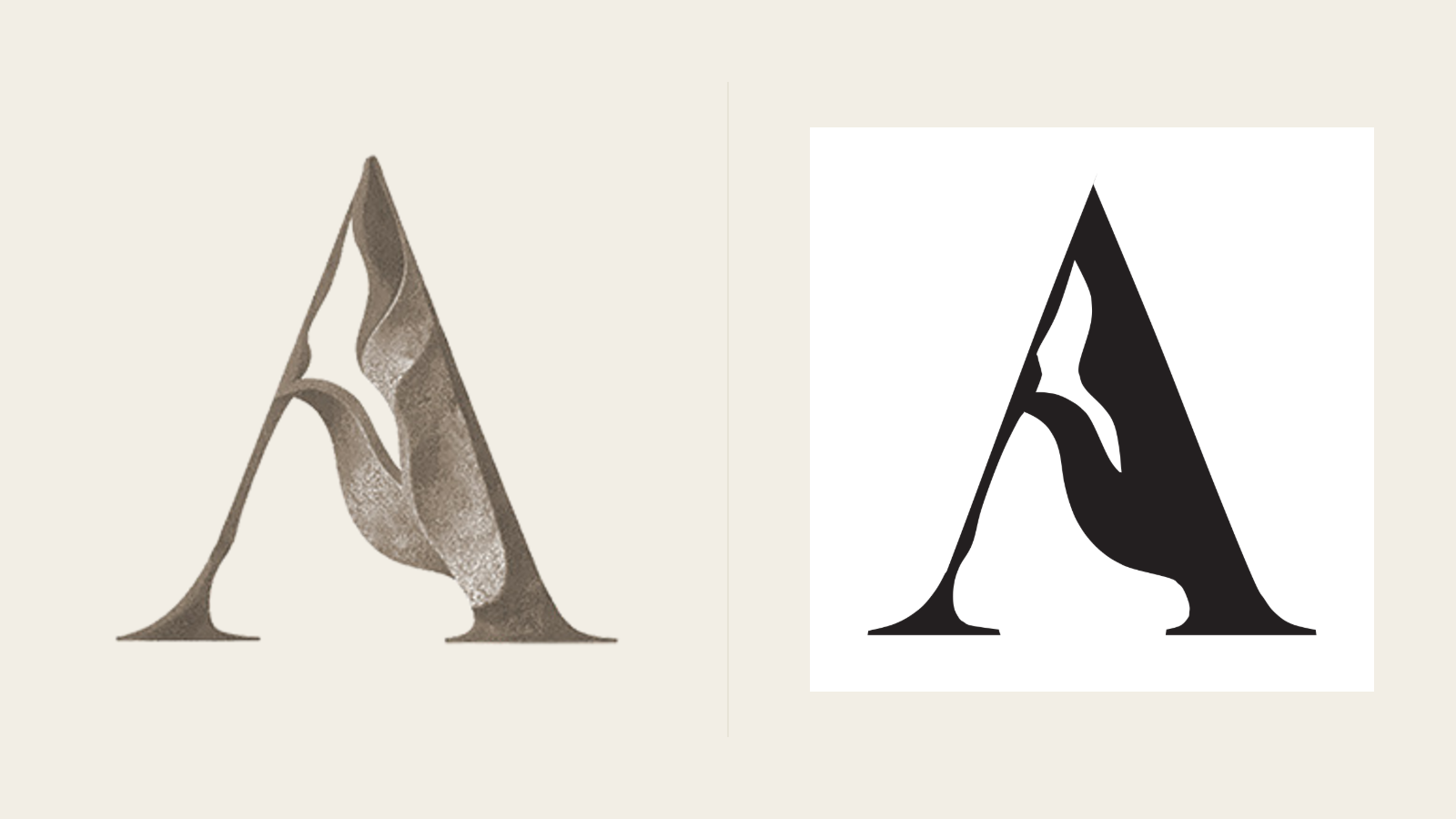
As supplied → as printed
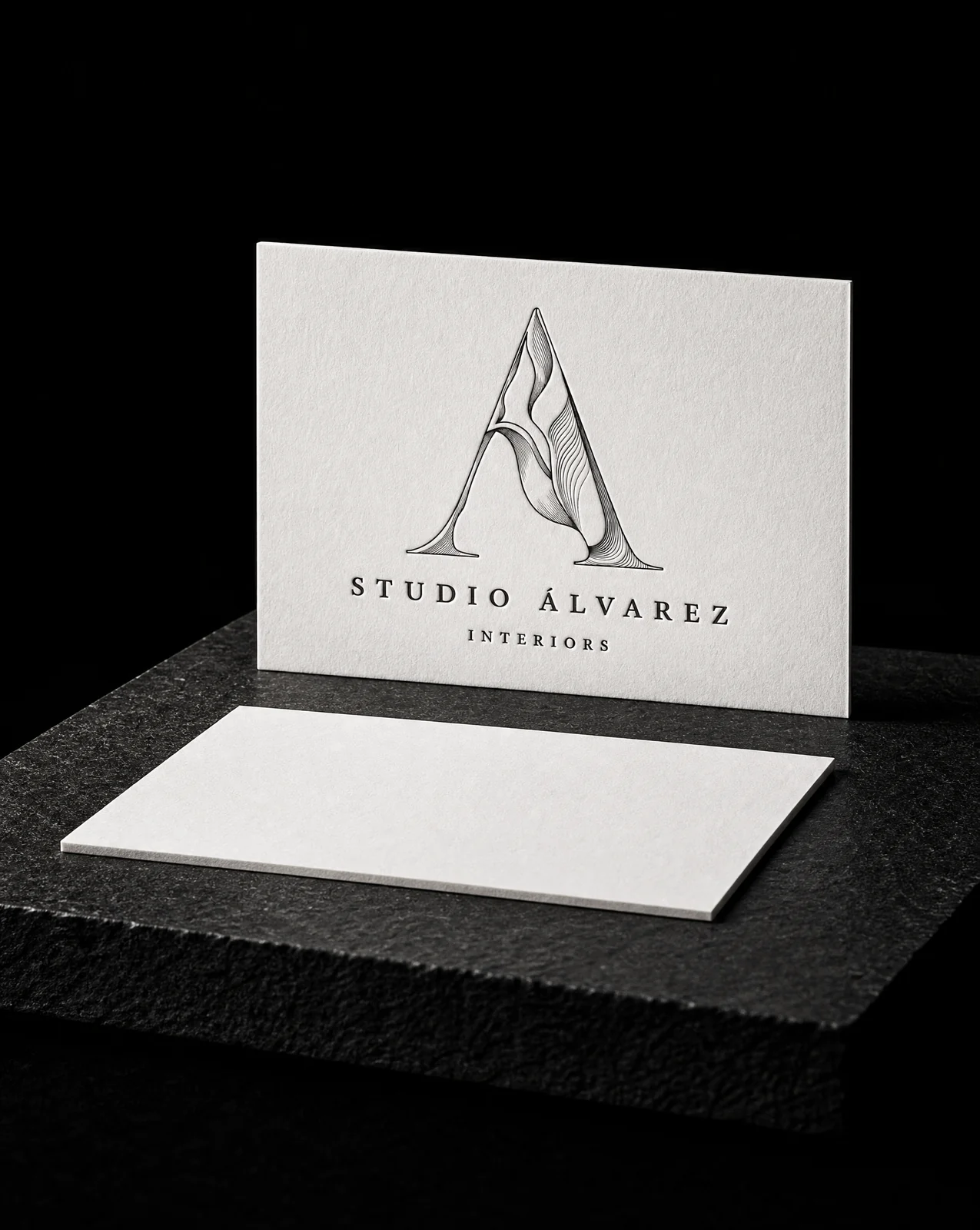
The final mark. The sculptural feeling is carried by line weight instead of tone: each rule thickens into shadow and thins across a lit face, so one plate describes the whole form.
Read the Alvarez Stone case study →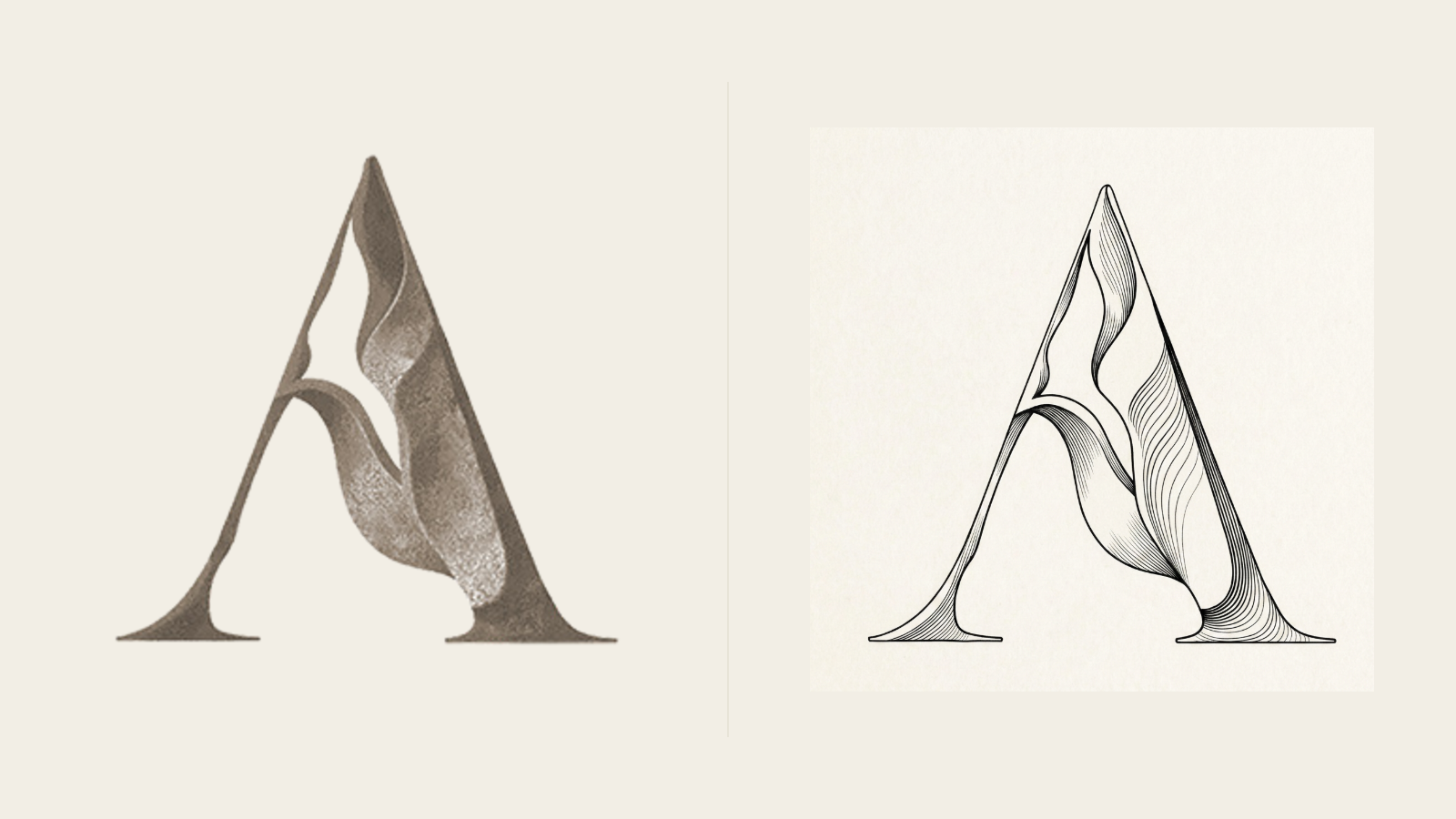
Press floors
These are the numbers we hold, not general advice. Every redraw comes back with a spec sheet naming each one.
0.15 mmFine detail survives foil: lines hold to 0.1 mm (0.28 pt). We design to 0.15 mm and adjust only lines below the floor, preserving the mark.
Foil stamping →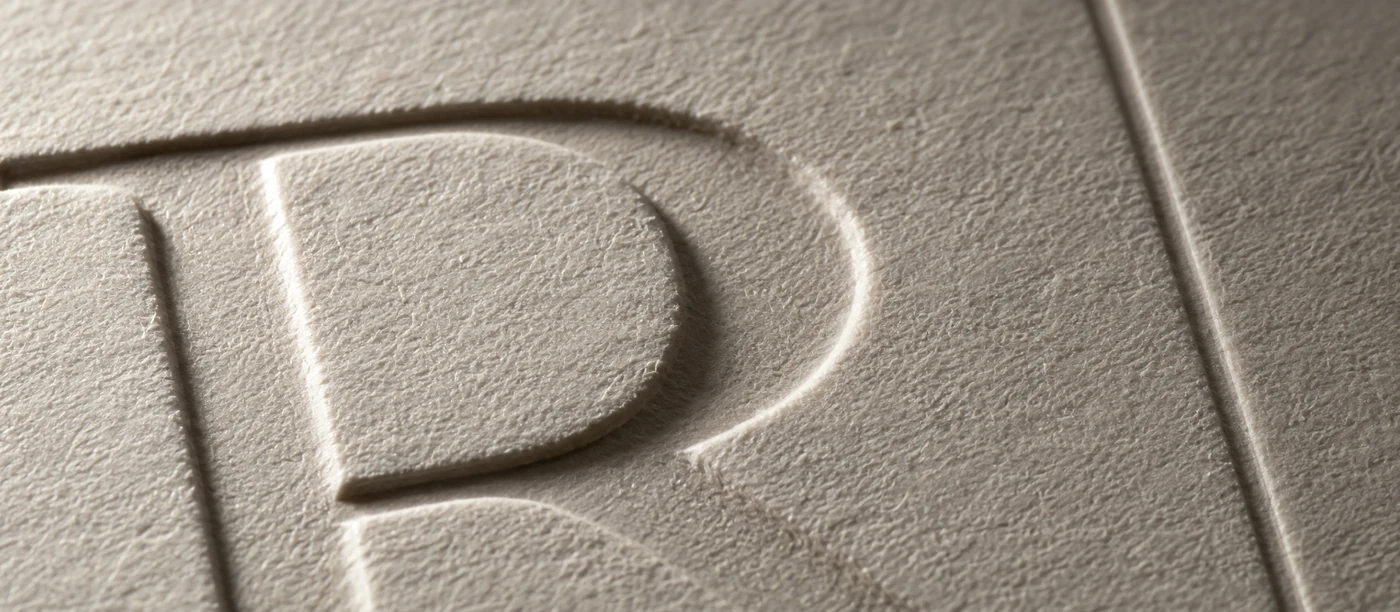 1.5 mm
We keep gaps inside foil around 0.25 mm and adjust only gaps under 0.15 mm at final size, without changing the character of the mark.
Emboss and letterpress →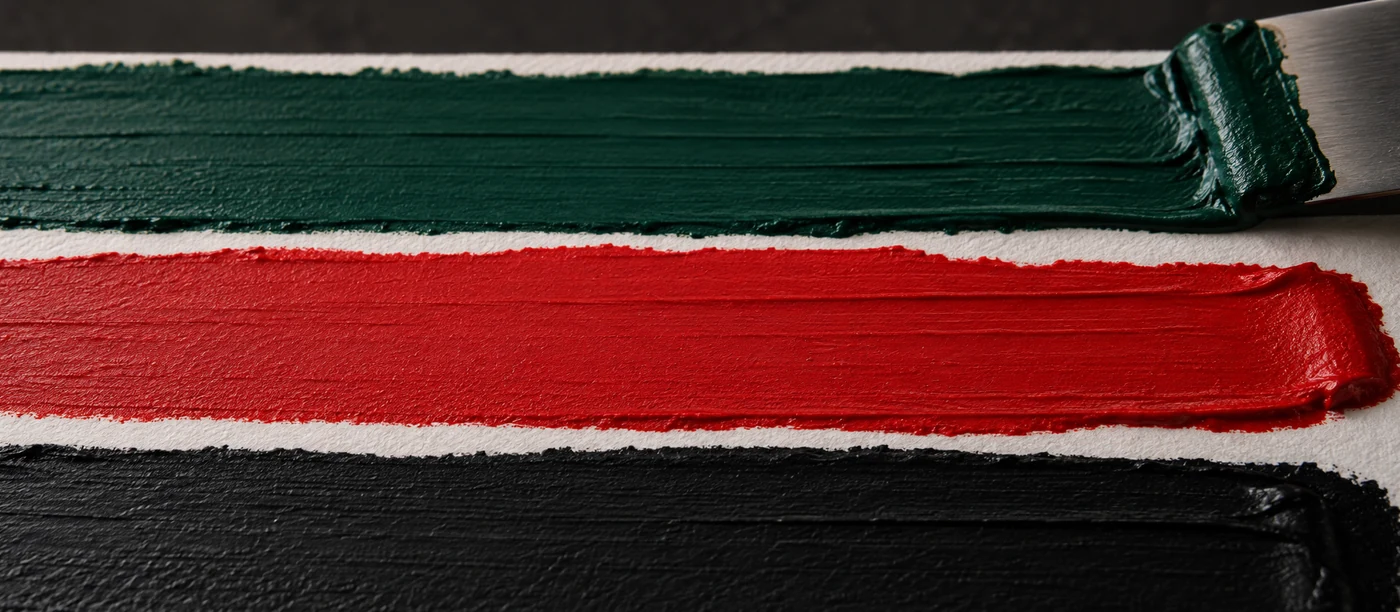 0.3 mm
Two inks butted edge to edge show white at the join when registration moves. We pull them apart by 0.3 mm or trap them deliberately.
Spot ink library →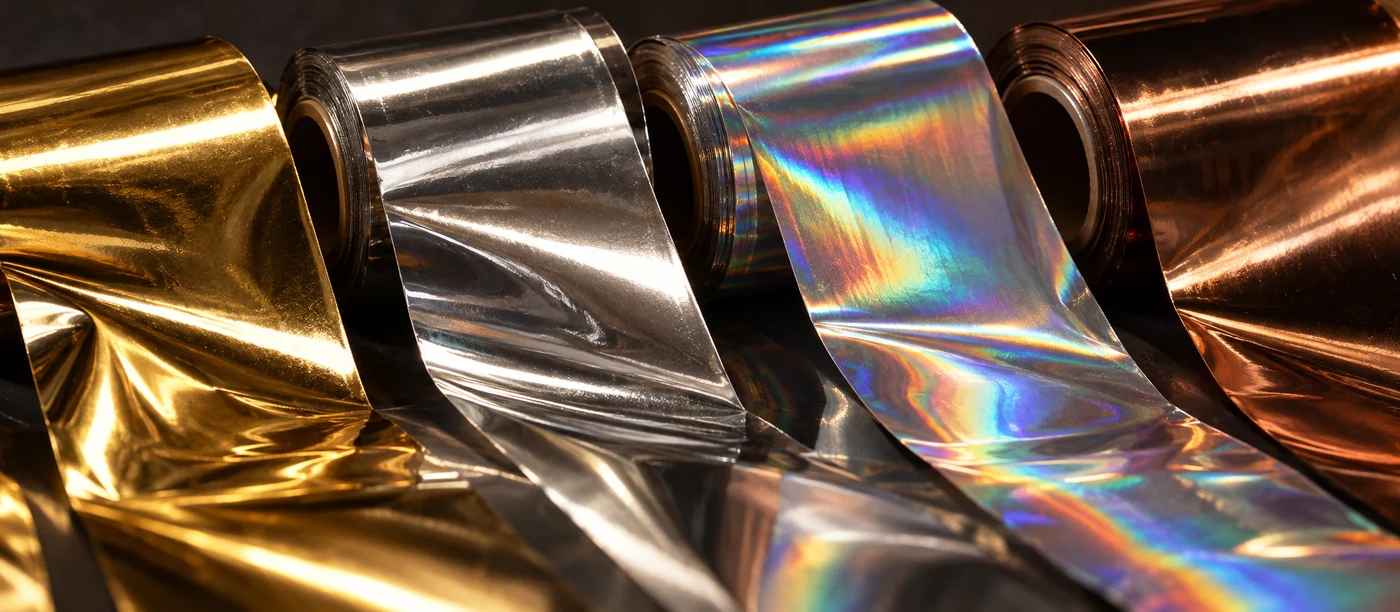 1 tone
Foil is one flat tone — it cannot fade. A gradient is redrawn as flat facets, or the foil is dropped and the fade printed in ink.
Foil library →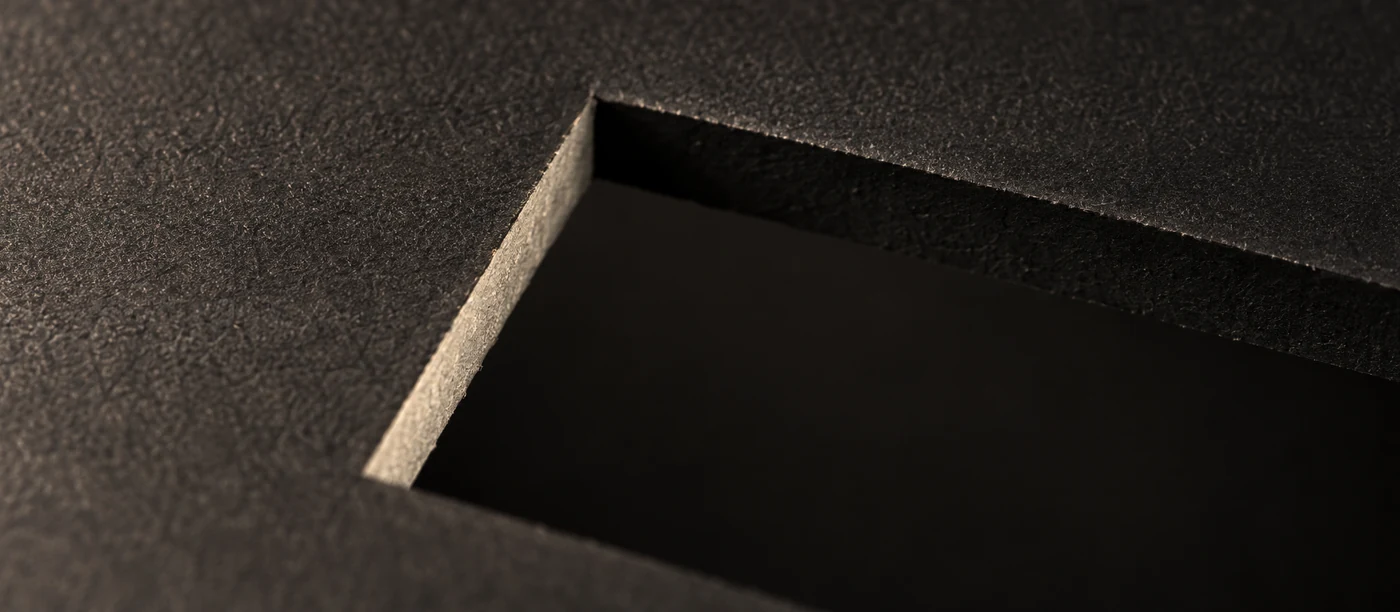 0.6 mm
Any cut that fully encircles an area drops the middle out. We bridge it at 0.6 mm so the counter stays attached, or we do not cut it.
Die-cut shapes →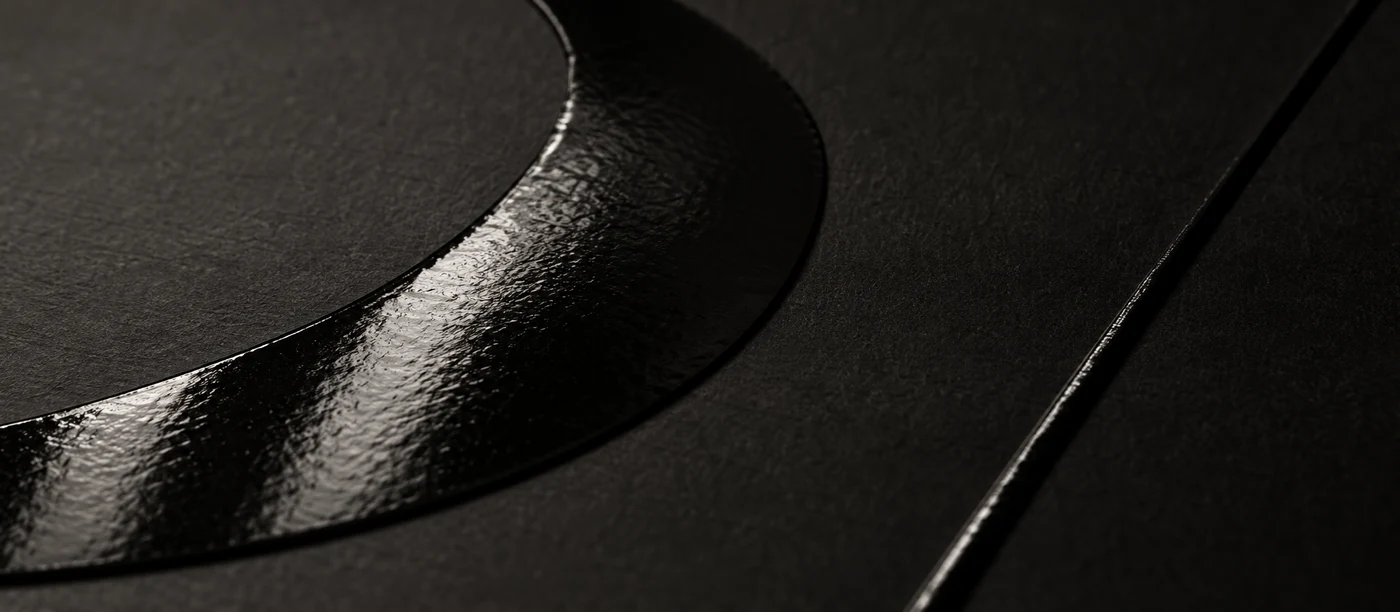 Drawn
DrawnA mark reversed out of a solid is not the same drawing — strokes gain weight and counters close. The mono version is drawn, not inverted.
Raised spot UV →How a project runs
 01
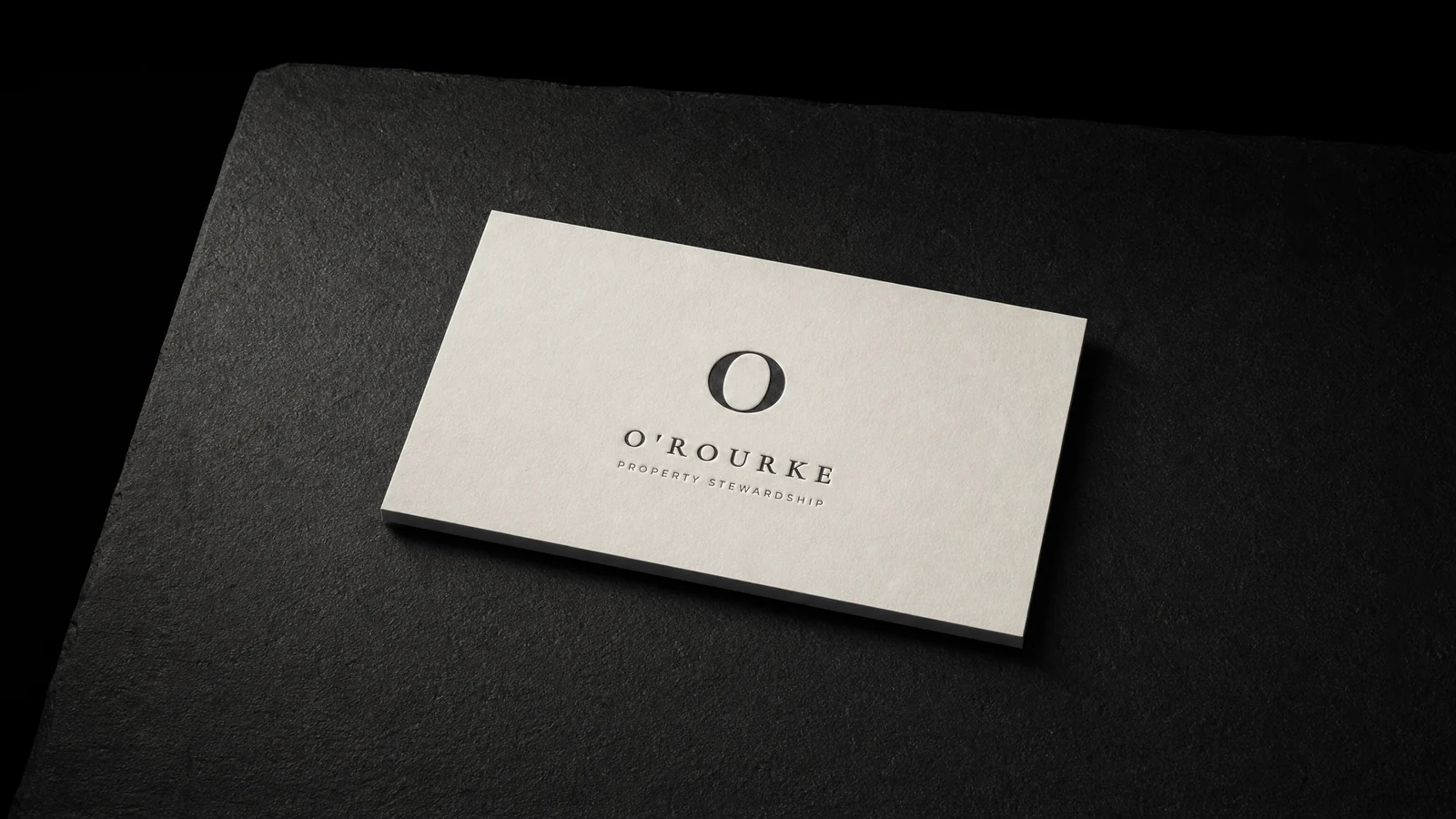
01A vector file, a PNG, or a photograph of a printed card. We tell you within a day what can be saved and what has to be redrawn.
 02
02Directions arrive as brand sheets on the stock and finish we would specify — never as flat PNGs on white.
 03
03Separations, bleed, safety and tolerances set to the press floors above, handed over with a spec sheet naming each one.
 04
04Half of every design fee is credited against your first print order over $600.
Artwork for a specific piece
Guide prices. Every job is quoted, with stock and finish costed alongside the design.
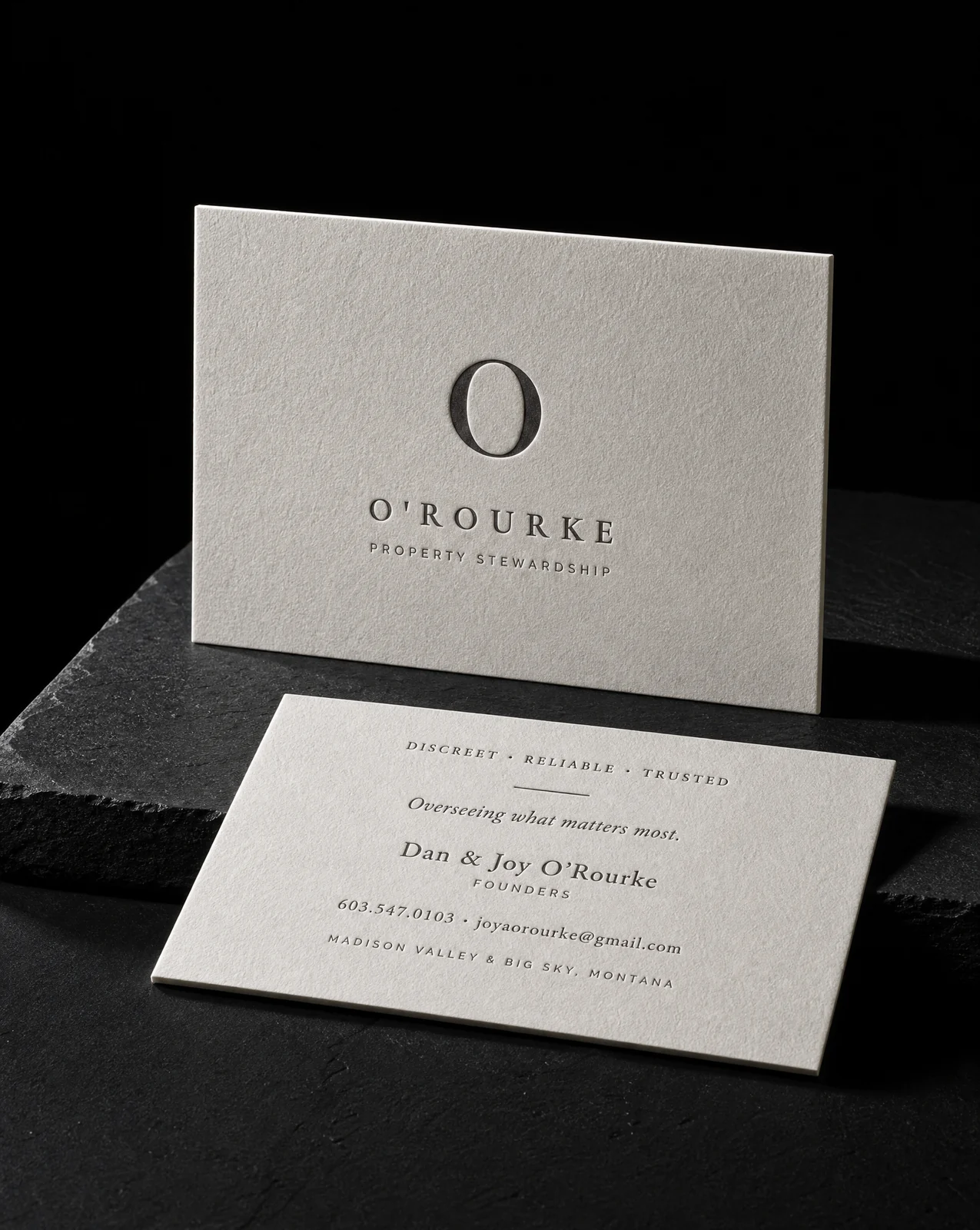
Two sides resolved against the exact trim, finish and stock, with every small detail set to survive the press.
from $295 · two sides, one finish
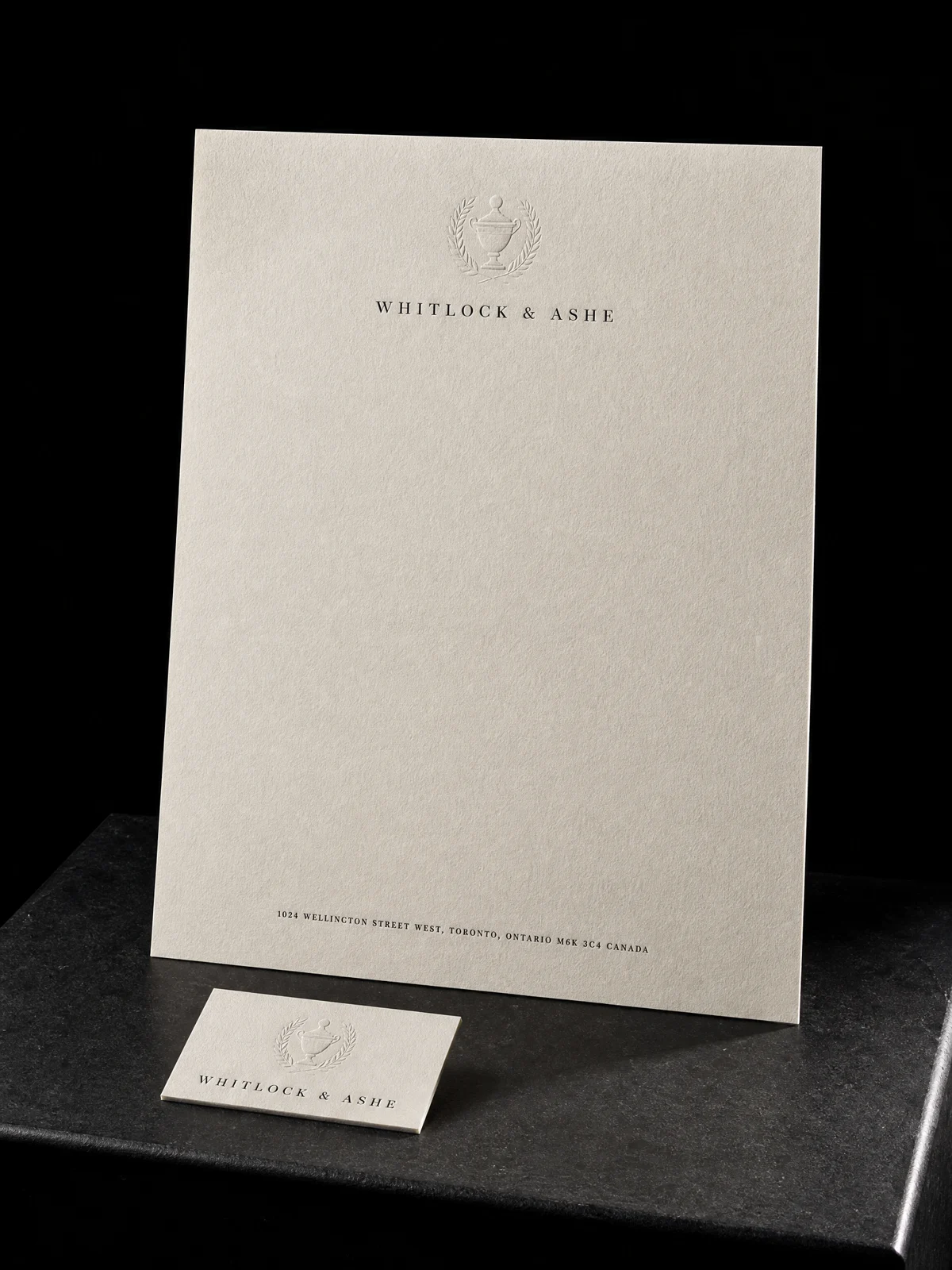
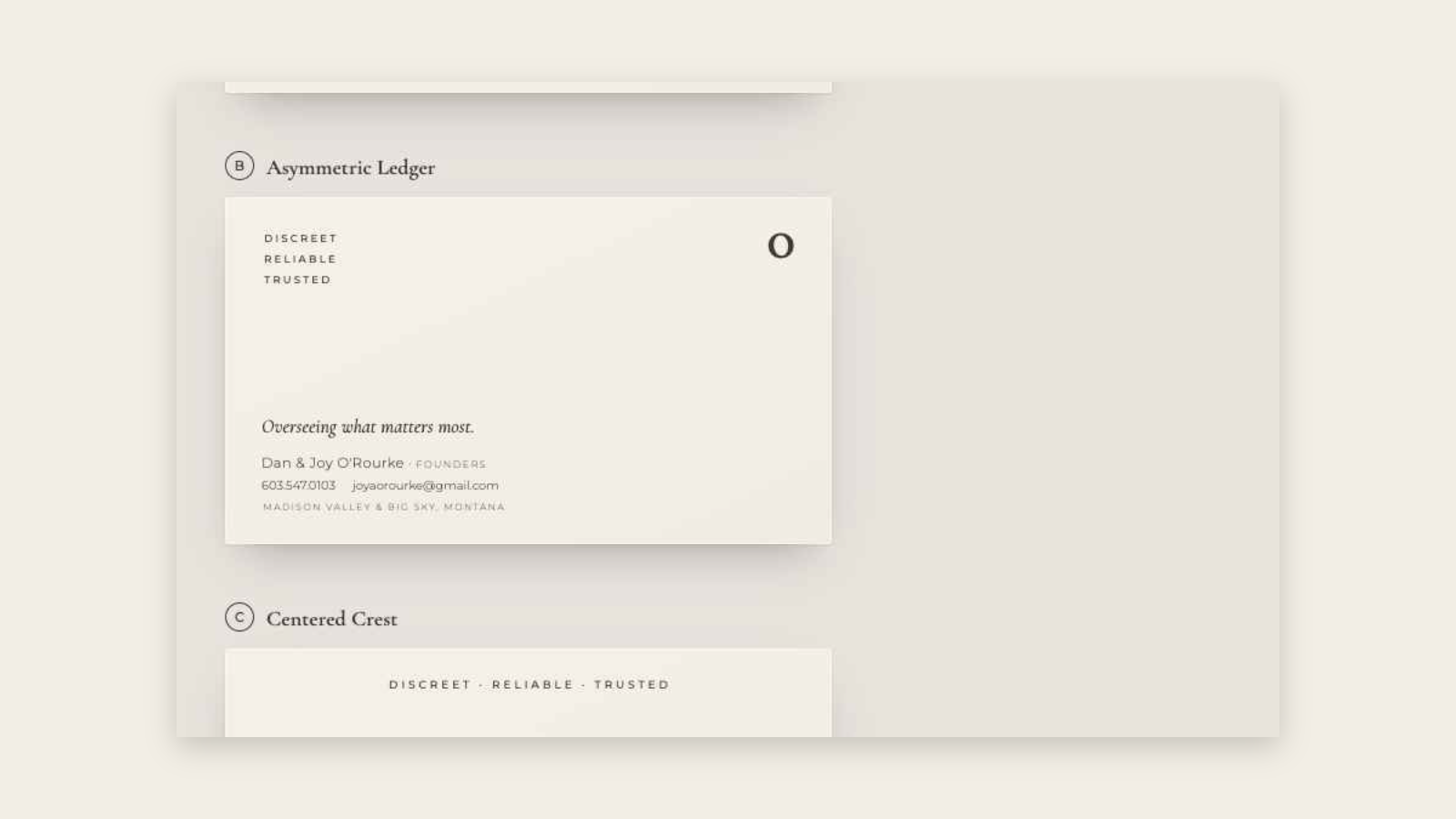
A card, letterhead and envelope with one consistent mark, thoughtful spacing and separations that make production simple.
from $650 · card, letterhead, envelope
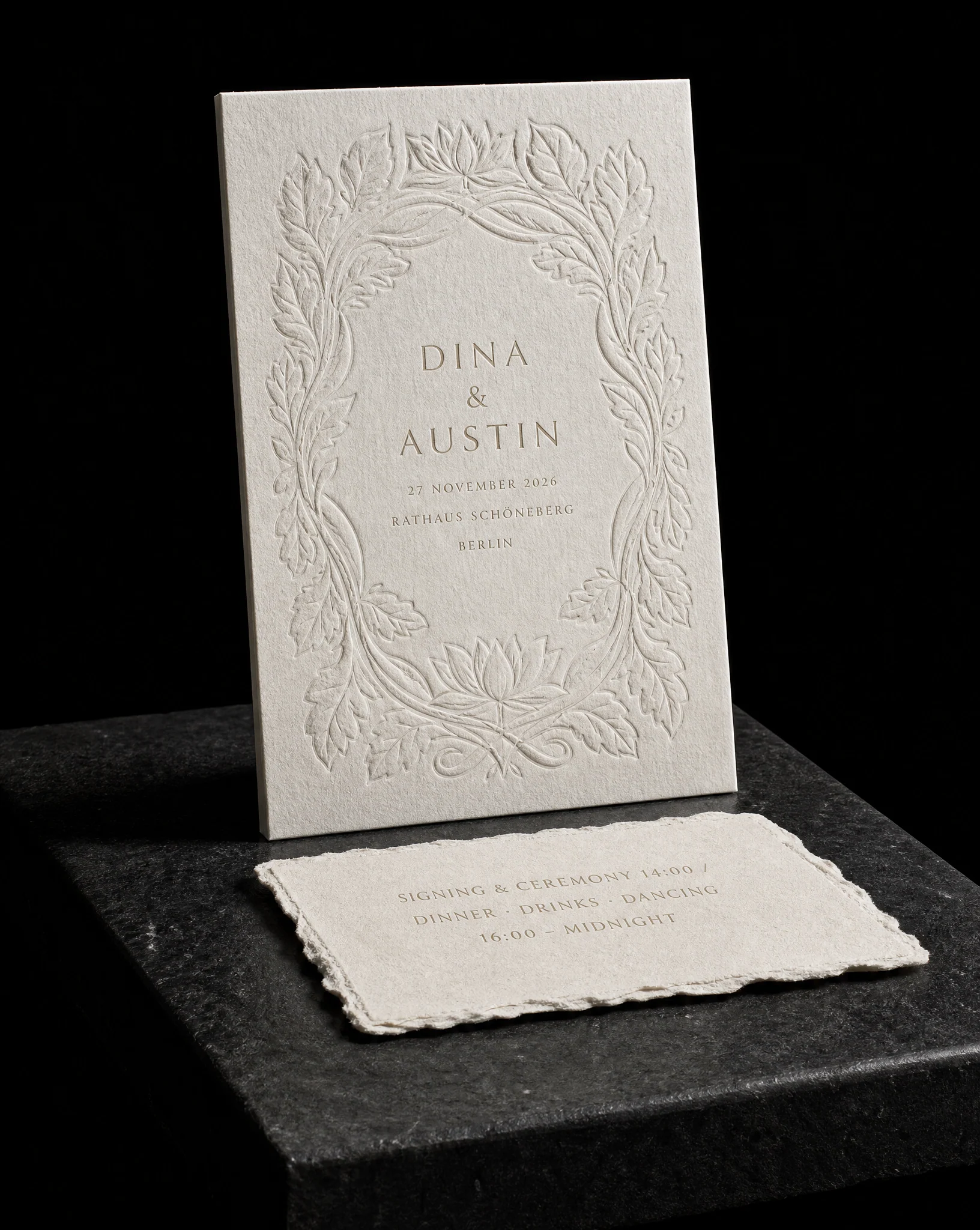
Invitation, reply, details and envelope considered together so the whole suite arrives as one clear gesture.
from $950 · invite, RSVP, details, envelope
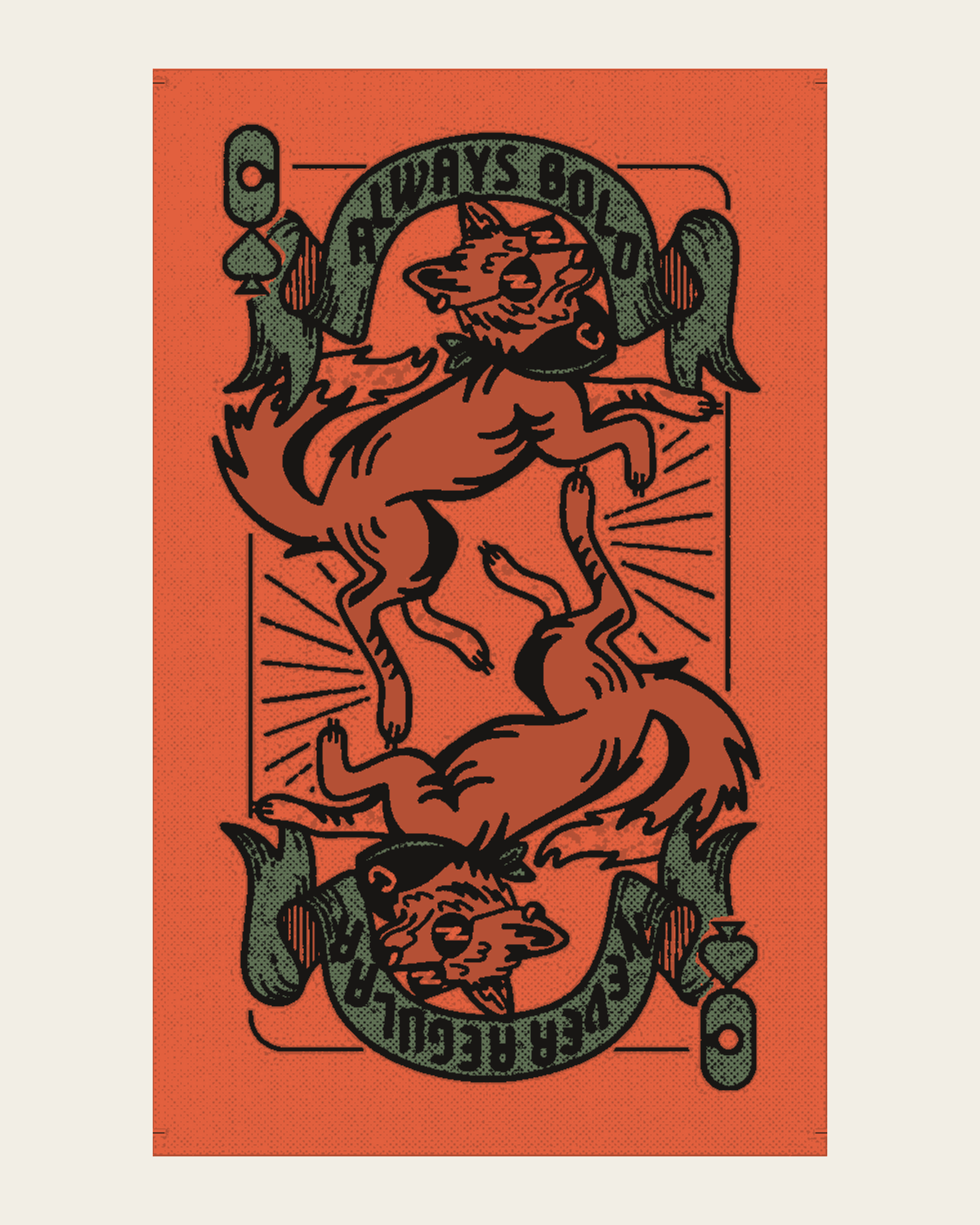
Art laid against the real container and die, accounting for wrap, seams, bleed and the stock beneath the ink.
from $450 · one SKU
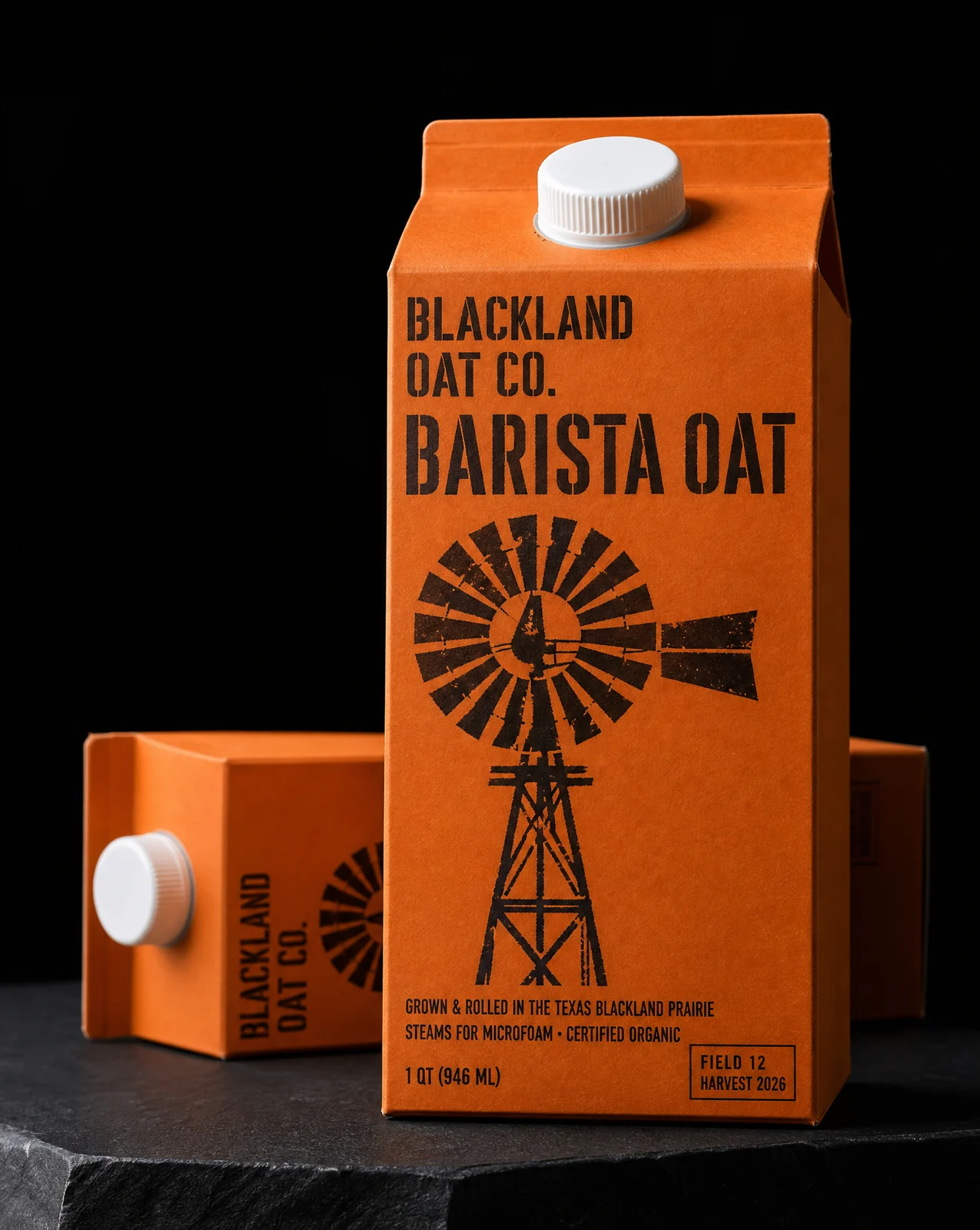
A box designed across its actual panels, folds and board, not a flat graphic placed over a generic mockup.
from $1,200 · structure and artwork
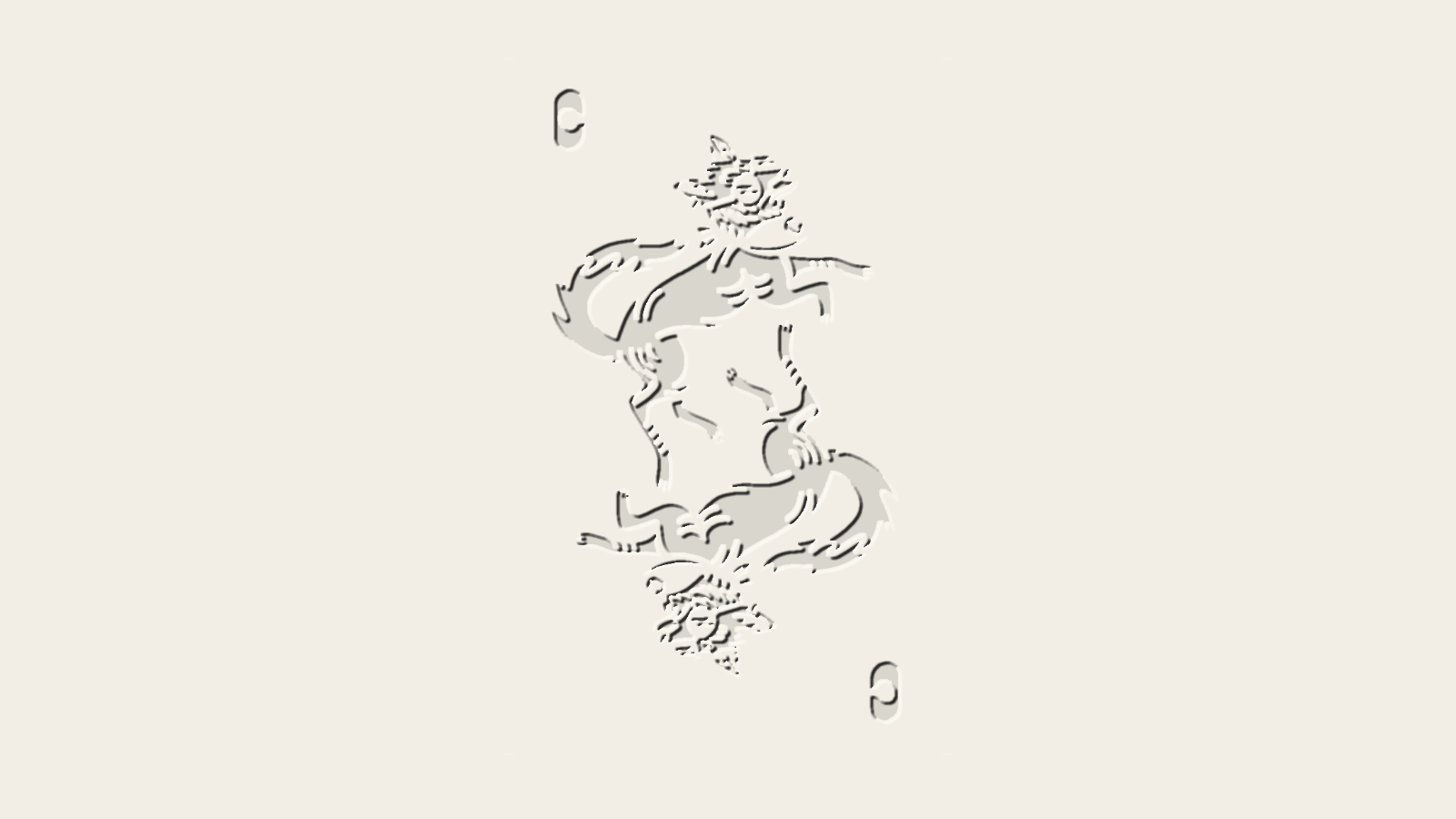
A sheet made for the size it will hang at, with type, margins, grain and process worked out before print.
from $550 · one sheet, one finish
Who does the work
We are a small team with twenty years between the file and the press. The people who draw your artwork are the same people who check the proof and talk to the pressman, so the standard holds whether it is one mark for a sole trader or a label range across dozens of SKUs.
It also means we have a finite number of hours. When the calendar is full we give you the earliest honest start date. When we don't think we can add value, because the file is already press-ready or the brief needs a different kind of studio, we say so and point you somewhere better. It is never personal.

Identity studies · invented brands
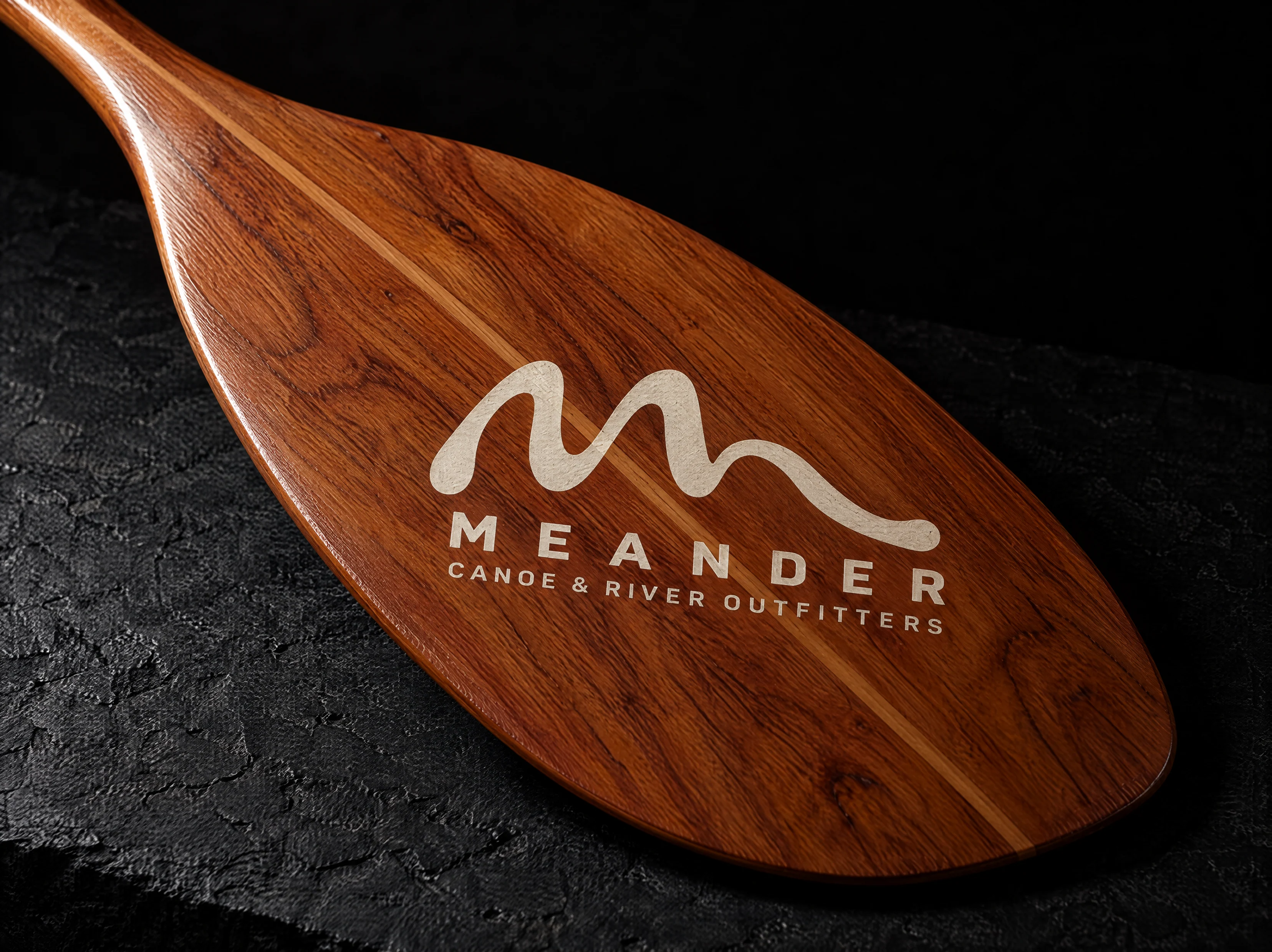
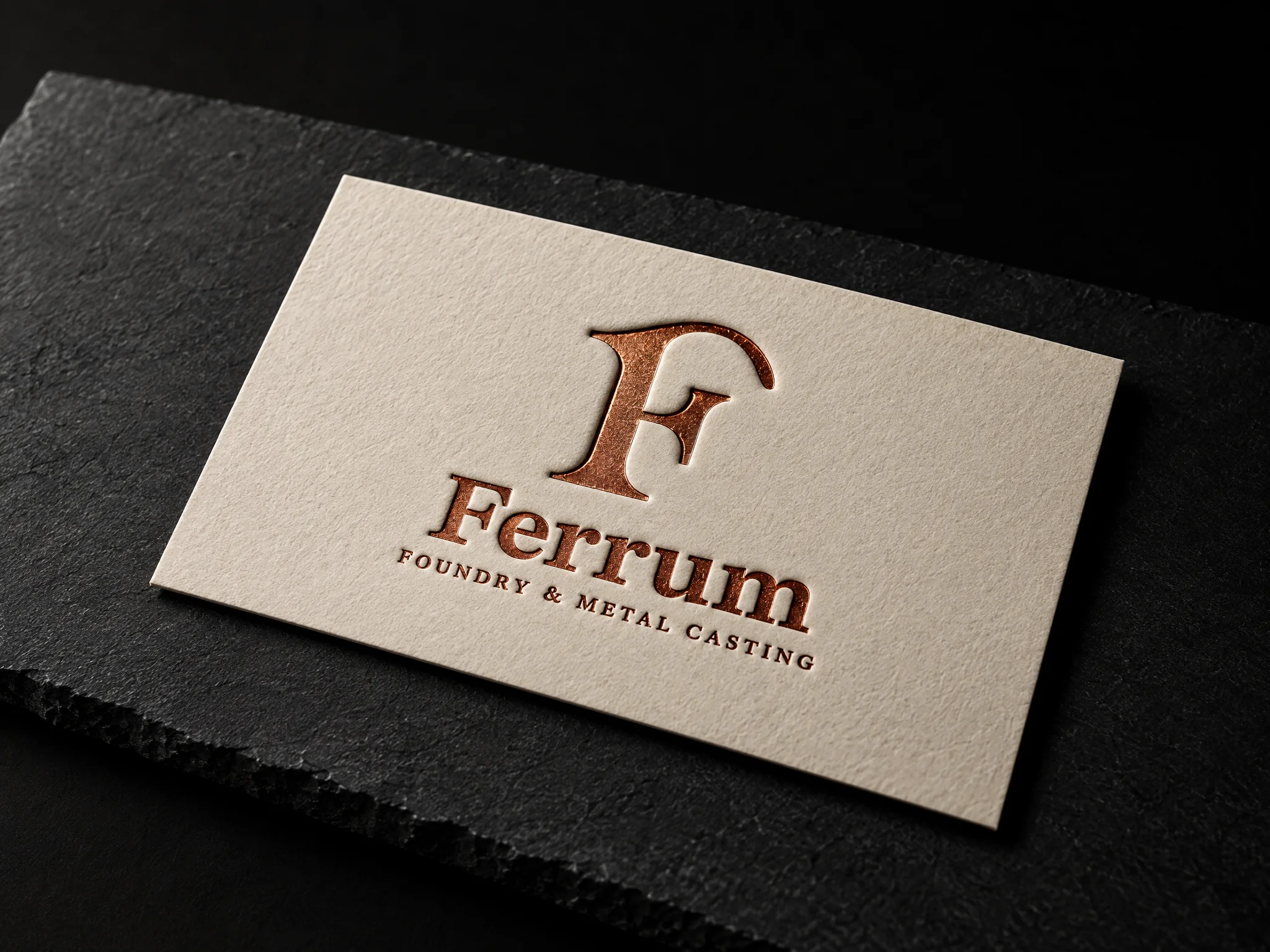
a copper-foil Ferrum monogram on the card
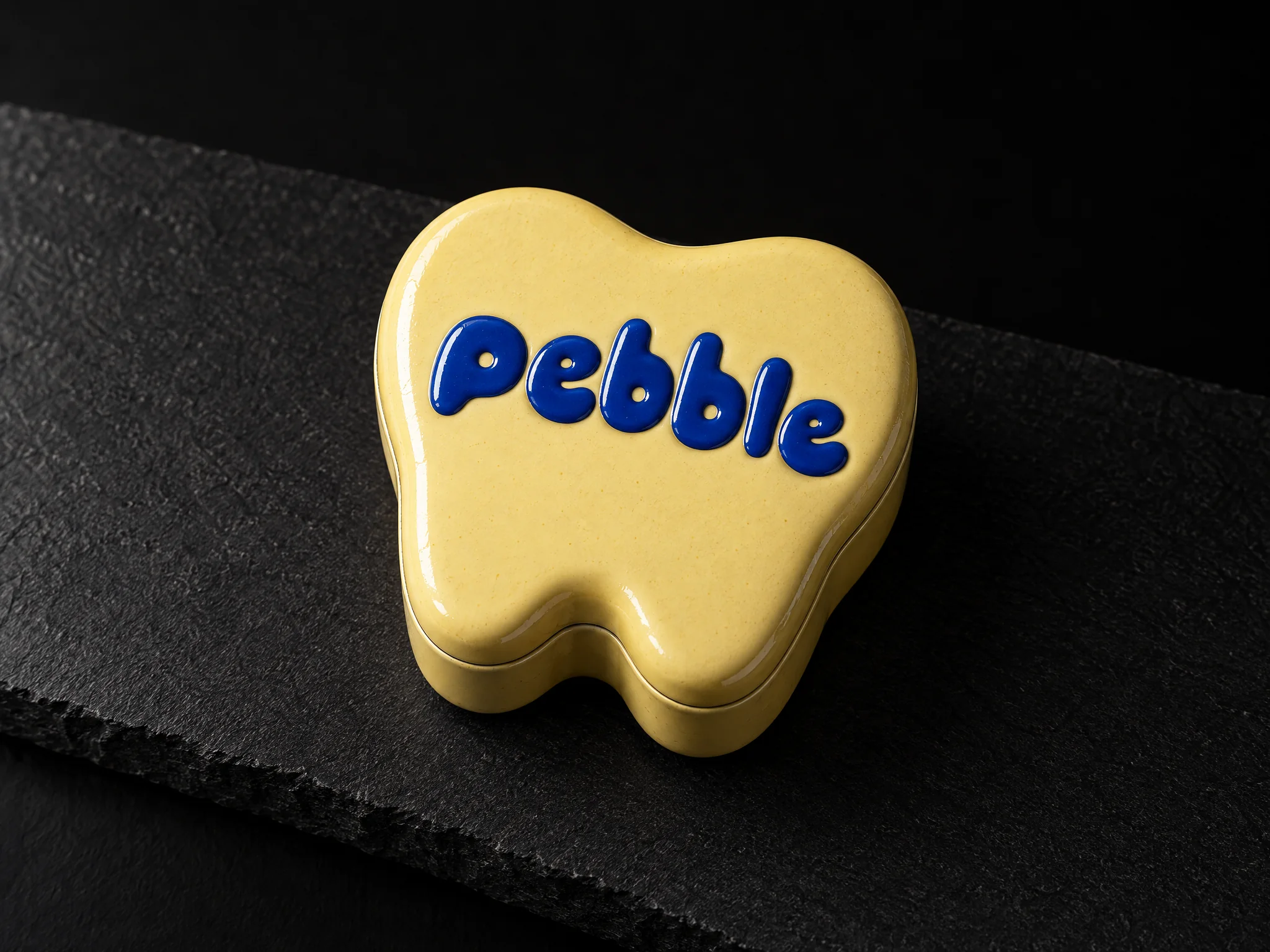
a blue-and-white printed Pebble identity on the keepsake
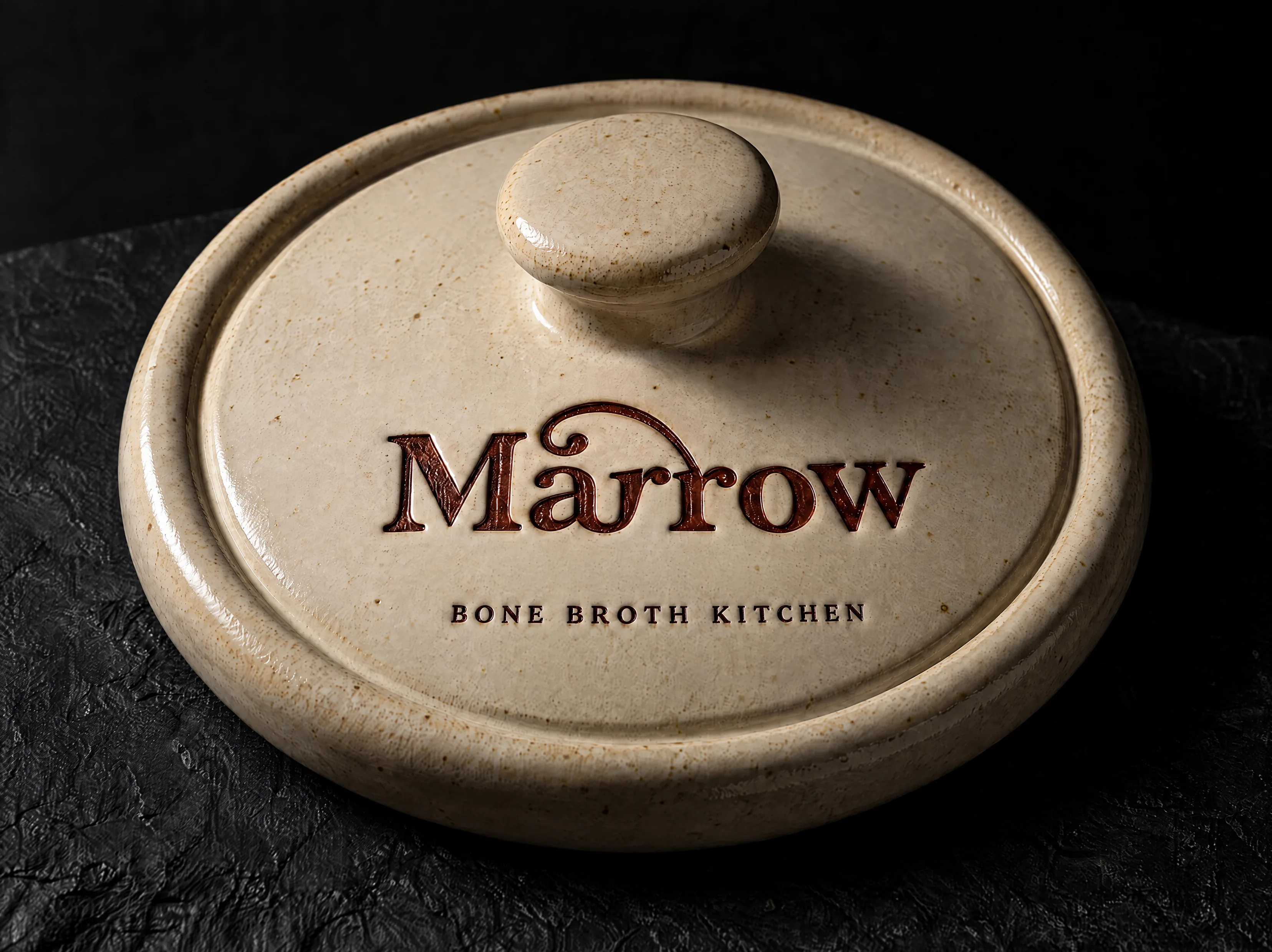
a debossed oxblood glaze stamp in the ceramic
a navy single-colour screen print on the canvas
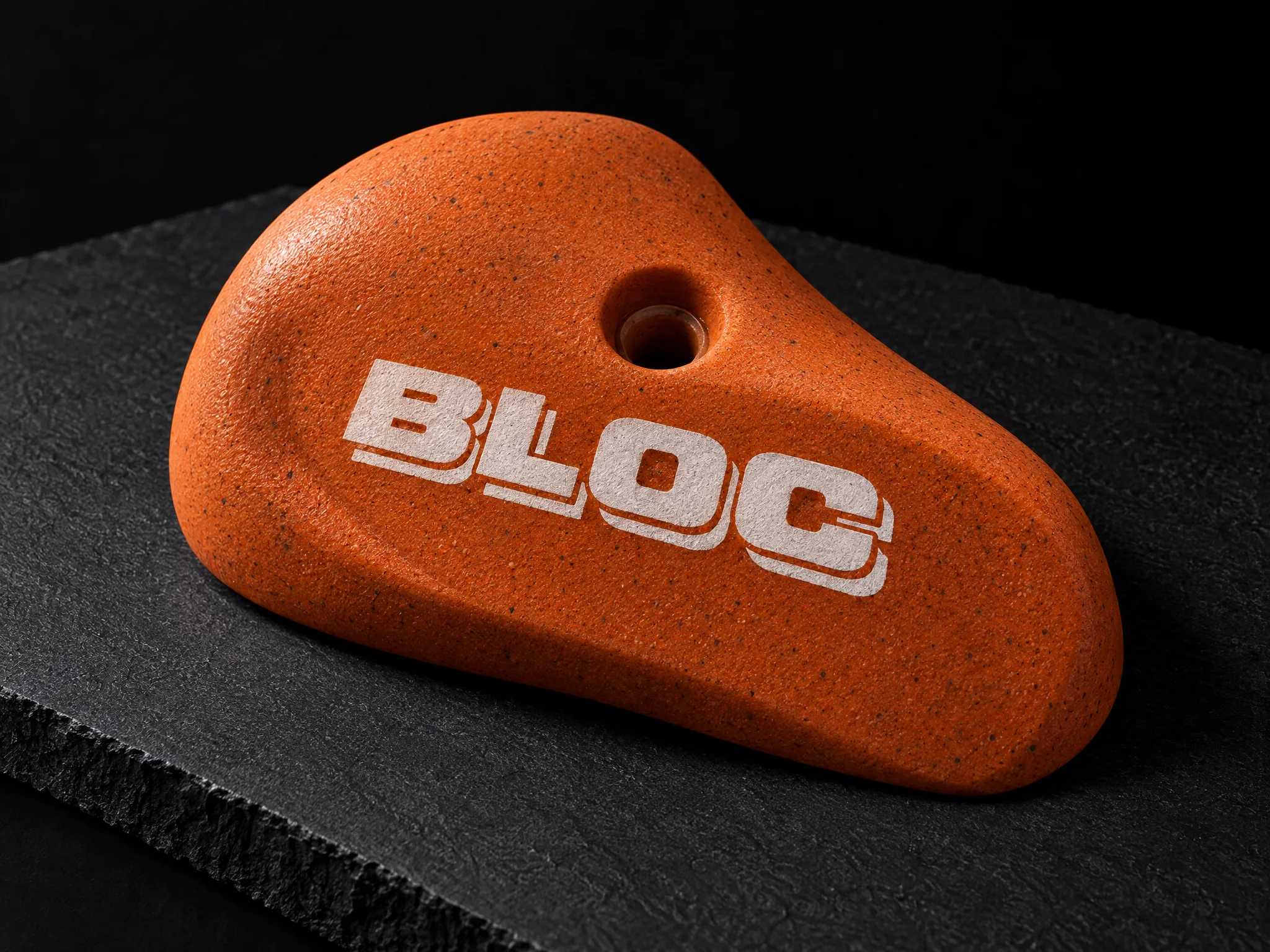
a raised white BLOC mark printed on the climbing hold
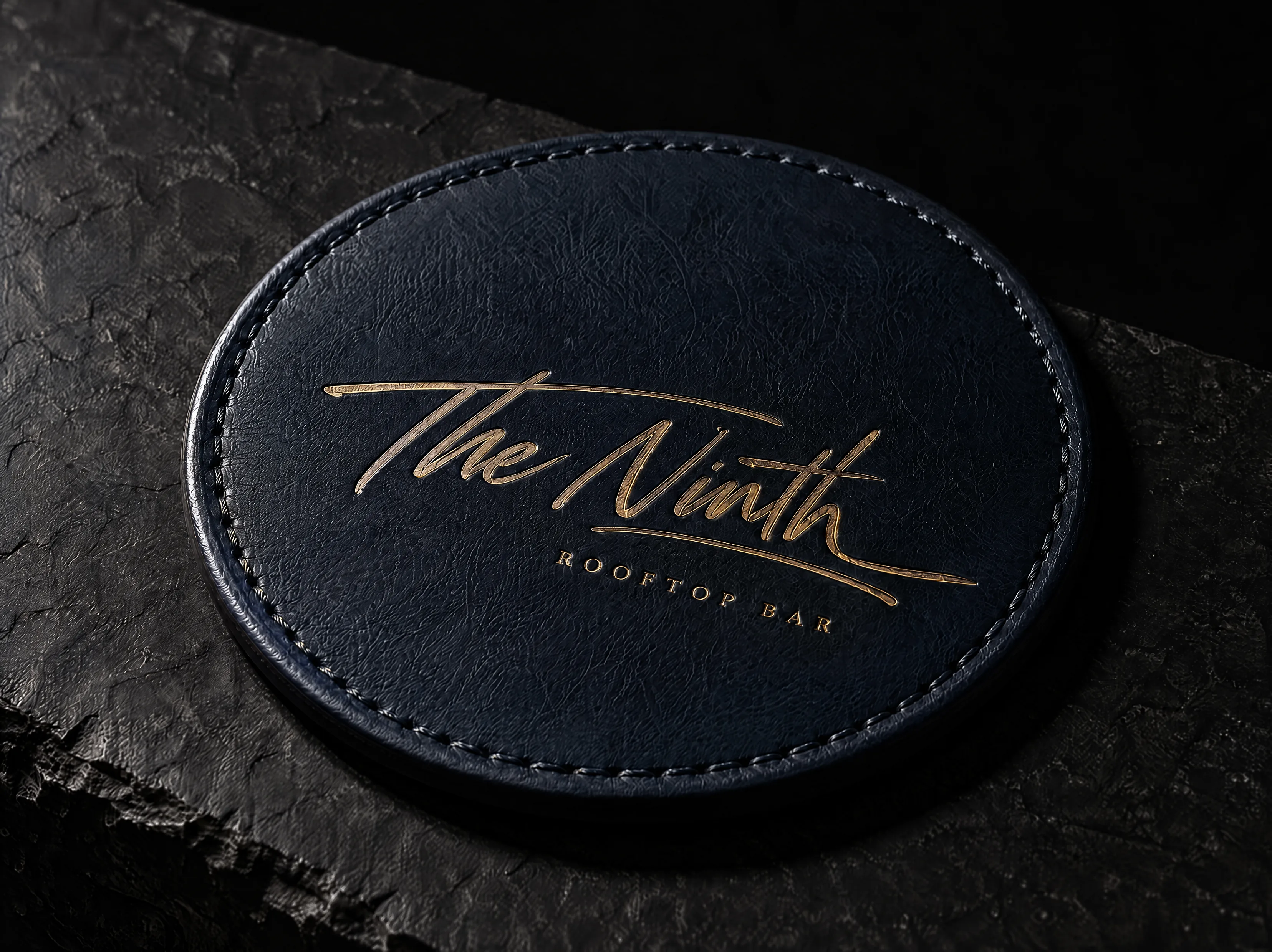
a gold hot-foil stamp pressed into the leather
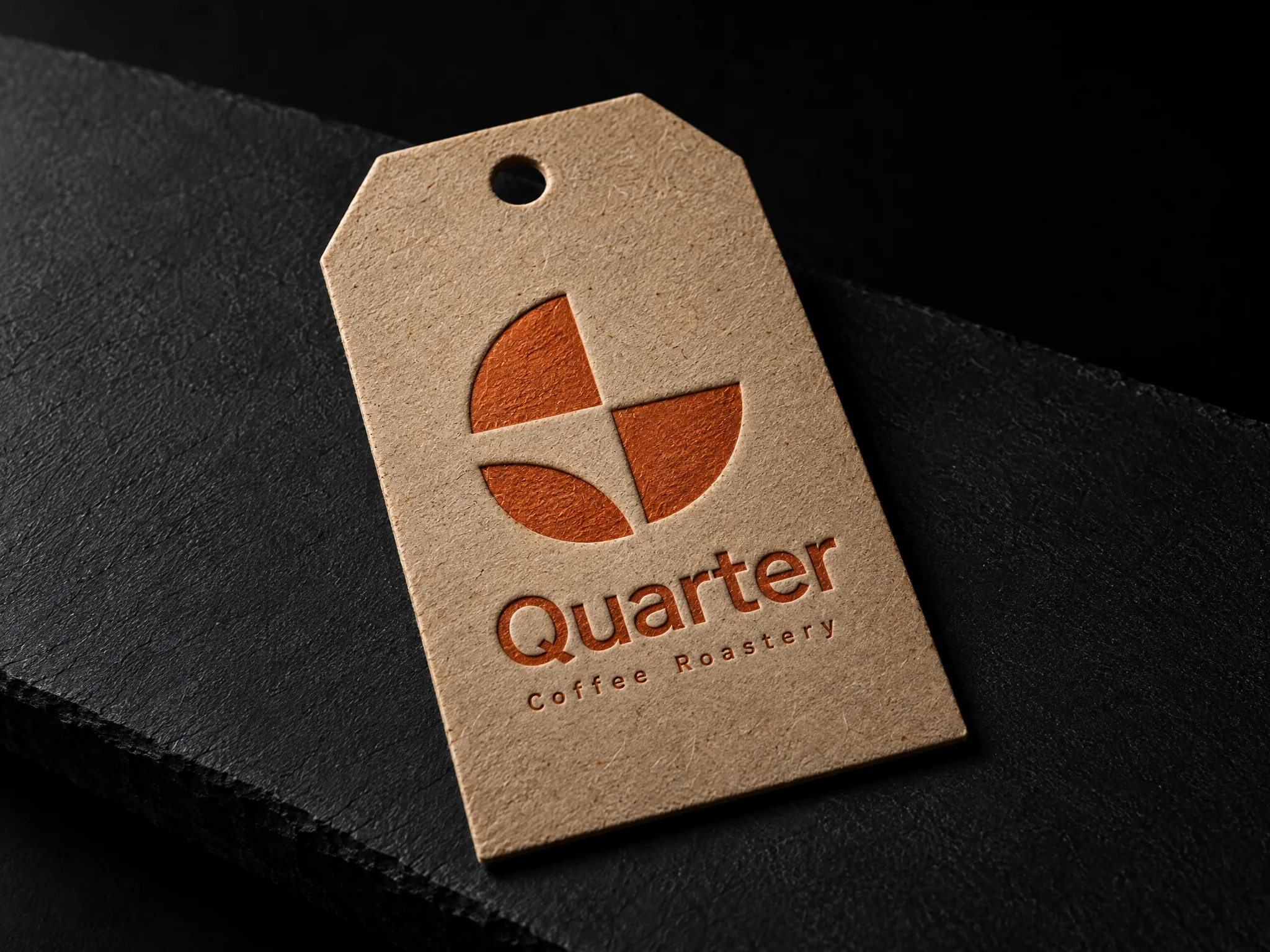
an orange Quarter coffee mark printed on the tag
What changes the price
One job is a single mark redrawn for foil. The next is a five-piece suite with the logo rebuilt from scratch. A fixed button would underprice one and frighten off the other.
Yes. Fine detail survives foil: lines hold to 0.1 mm (0.28 pt). We design to 0.15 mm (0.43 pt, 0.006 in) for the crispest strike, with gaps around 0.25 mm. We adjust only lines below the floor or gaps under 0.15 mm, preserving your mark’s character.
Generated marks carry three things a die cannot hold: soft edges, hairlines that taper to nothing, and colours that touch. A press needs hard curves at a printable weight, with each colour on its own separation. We rebuild the idea rather than trace the image.
Fine detail survives foil: lines hold to 0.1 mm (0.28 pt). We design to 0.15 mm (0.43 pt, 0.006 in) for the crispest strike, with gaps around 0.25 mm. Measure at final printed size; the floor is not a reason to bolden an approved mark.
Vector artwork with outlined type — PDF, AI or EPS — with each process on its own layer. A raster file will not cut a plate cleanly at any resolution, because the plate is made from the outline, not from pixels. If all you have is a PNG, we redraw it.
A press-ready redraw starts at $245 for one mark on one process, and most land between $245 and $600. The number moves with how many processes the mark has to survive and whether the source is vector, raster or a photograph of a printed piece. Every project is quoted.
No. We are a small team, so when the calendar is full we give you the earliest honest start date. If a file is already press-ready, or the brief needs a different kind of studio, we say so and point you somewhere better.

Send the render. We will tell you what holds and what has to be redrawn before anything is quoted.